
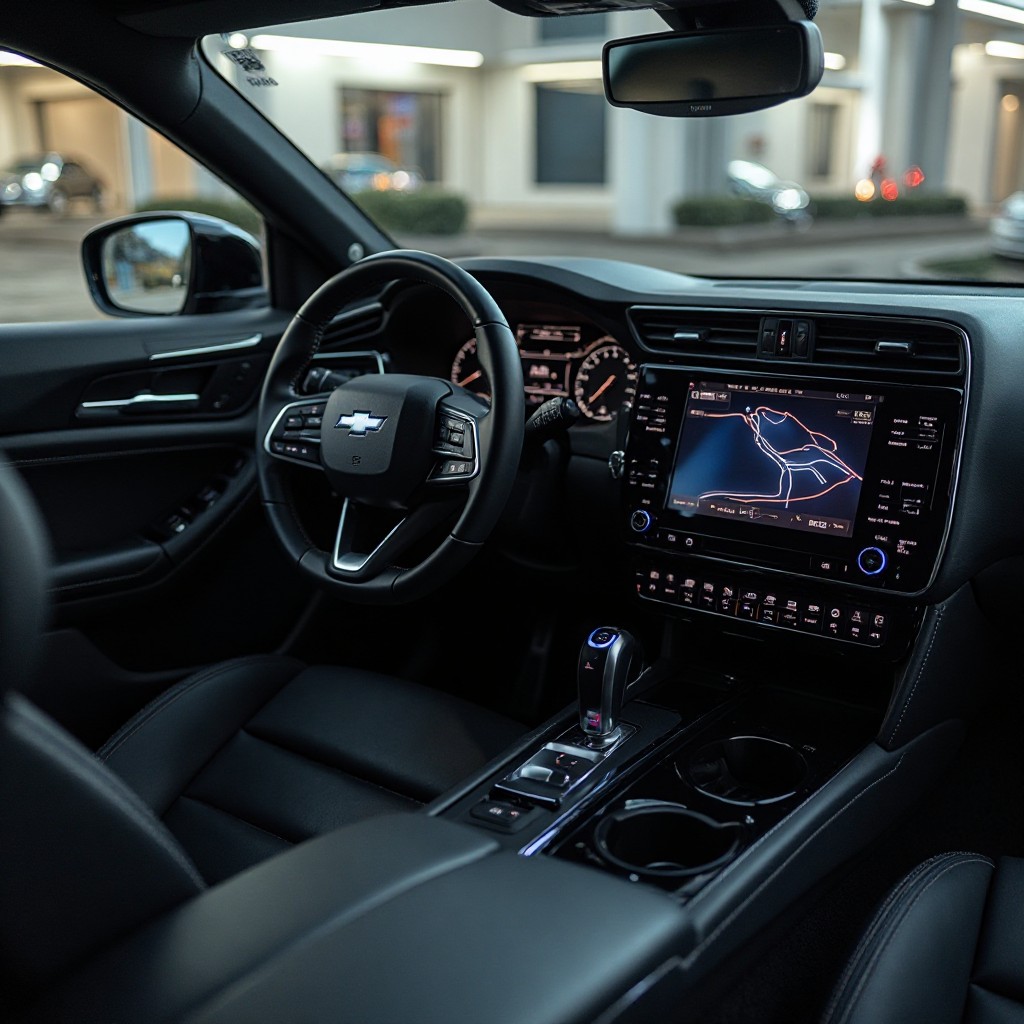
The automotive industry is experiencing a profound digital transformation, and nowhere is this more evident than in the evolution of vehicle dashboard interfaces. Modern cars are no longer just mechanical machines with analog gauges—they're sophisticated computers on wheels, featuring advanced digital displays that rival the best smartphones and tablets in terms of usability and visual appeal.
The Evolution of Automotive Dashboards
Traditional automotive dashboards relied on physical dials, gauges, and buttons to convey information to drivers. However, as vehicles have become more technologically advanced, the need for more sophisticated interfaces has grown exponentially. Today's vehicles can display everything from navigation maps and entertainment options to advanced driver assistance system (ADAS) alerts and vehicle diagnostics—all through sleek, customizable digital displays.
The shift from analog to digital has allowed automotive manufacturers to create more intuitive, personalized, and feature-rich user experiences. Modern digital dashboards can adapt to different driving conditions, display only relevant information based on context, and even learn driver preferences over time using artificial intelligence and machine learning algorithms.
Key Design Principles for Automotive Interfaces
1. Safety First: Minimizing Driver Distraction
The most critical aspect of automotive dashboard design is safety. Unlike smartphone or web applications where users can take their time to explore interfaces, automotive dashboards must present information in a way that minimizes distraction and allows drivers to keep their eyes on the road. This requires careful consideration of information hierarchy, visual design, and interaction patterns.
Effective automotive interfaces use large, easily readable fonts, high-contrast color schemes, and clear iconography. Information is prioritized based on driving relevance, with critical safety alerts taking precedence over entertainment or convenience features. Voice commands and haptic feedback also play crucial roles in reducing the need for visual attention.
2. Readability in All Conditions
Automotive dashboards must remain readable in diverse lighting conditions—from bright sunlight to complete darkness. This requires adaptive brightness controls, anti-glare screen technologies, and carefully chosen color palettes that maintain contrast regardless of ambient light. Night mode interfaces typically use darker backgrounds with reduced brightness to prevent eye strain during nighttime driving.
3. Responsive and Intuitive Touch Interactions
With the proliferation of touchscreen interfaces in vehicles, designing touch-friendly controls has become essential. Touch targets must be large enough to be accurately selected while driving, typically at least 44x44 pixels or larger. Gestures like swiping and pinching should be intuitive and responsive, with immediate visual feedback to confirm user actions.
Emerging Trends in Automotive Dashboard Design
Augmented Reality (AR) Displays
Head-up displays (HUDs) that project information directly onto the windshield are becoming increasingly sophisticated. AR-enhanced HUDs can overlay navigation directions onto the actual road, highlight potential hazards, and display speed limits contextually. This technology allows drivers to access critical information without taking their eyes off the road.
Customizable Layouts and Themes
Modern automotive interfaces are moving toward greater personalization. Drivers can customize their dashboard layouts to display the information most relevant to them, choose between different visual themes, and even save multiple profiles for different drivers. This flexibility enhances the user experience while maintaining consistent safety standards.
Integration with Smart Devices and IoT
Contemporary vehicles seamlessly integrate with smartphones, smartwatches, and smart home devices. Dashboards can display notifications, control smart home functions, and sync with mobile apps for enhanced functionality. Apple CarPlay and Android Auto have set high standards for seamless device integration that automotive manufacturers continue to build upon.
Technical Considerations for Dashboard Development
From a technical standpoint, developing automotive dashboards requires specialized knowledge and tools. Modern automotive interfaces are typically built using frameworks like Qt, which provides cross-platform compatibility and hardware acceleration. Real-time performance is critical—interfaces must respond instantly to user inputs and sensor data without lag or stuttering.
Developers must also consider the unique constraints of automotive environments, including extreme temperatures, vibrations, and the need for long-term reliability. Testing automotive interfaces requires rigorous validation across numerous scenarios, from basic functionality tests to complex stress tests simulating years of use.
The Role of Web Design Skills in Automotive UI/UX
Interestingly, many principles of responsive web design translate directly to automotive dashboard development. Concepts like mobile-first design, touch optimization, and progressive enhancement are all relevant in the automotive context. Web developers with strong UI/UX backgrounds are increasingly sought after by automotive companies looking to create best-in-class digital experiences.
Learning automotive dashboard design doesn't require abandoning web design skills—rather, it builds upon them. Understanding HTML, CSS, JavaScript, and modern frameworks like React or Vue provides a solid foundation for transitioning into automotive interface development. The key difference lies in the additional constraints and safety considerations unique to the automotive environment.
Future Outlook
As we look toward the future, automotive dashboards will become even more sophisticated. Artificial intelligence will enable predictive interfaces that anticipate driver needs, biometric sensors will monitor driver health and alertness, and fully autonomous vehicles will transform dashboards from driver-focused interfaces to passenger entertainment and productivity hubs.
The automotive industry's digital transformation presents enormous opportunities for skilled designers and developers. Those who can combine traditional web design expertise with automotive-specific knowledge will be well-positioned to shape the future of transportation. Whether you're designing for electric vehicles, autonomous systems, or connected car ecosystems, the principles of great dashboard design remain constant: prioritize safety, ensure readability, and create intuitive, responsive interfaces that enhance the driving experience.

Want to Learn Automotive Dashboard Design?
Join our comprehensive training programs and master the skills needed for automotive UI/UX development
Enroll Today